120 Bahadur (2025) Movie ft. Raashii, Farhan, and Sparsh
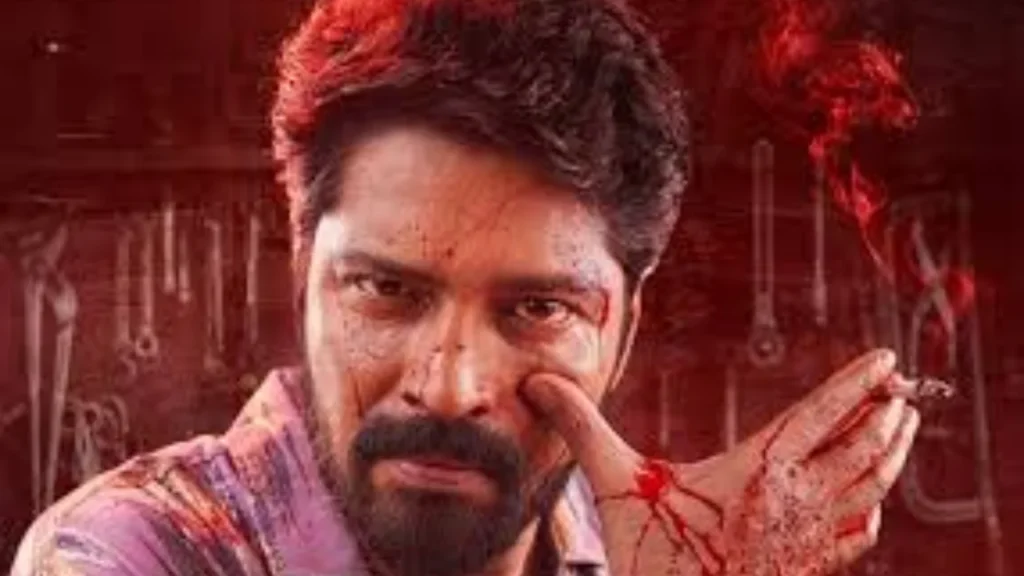
120 Bahadur tells a story most Indians don’t know about. The film stars Farhan Akhtar as Major Shaitan Singh Bhati, a soldier who made the ultimate sacrifice. Raashii Khanna plays his wife Shagun Kanwar, while newcomer Sparsh Walia makes his debut.
Veterans like Vivan Bhatena, Eijaz Khan, and Ajinkya Deo round out the cast. Director Razneesh ‘Razy’ Ghai brings this 1962 war story to life, showing us what happened at Rezang La when 120 Indian soldiers faced 3,000 Chinese troops.
What Really Happened
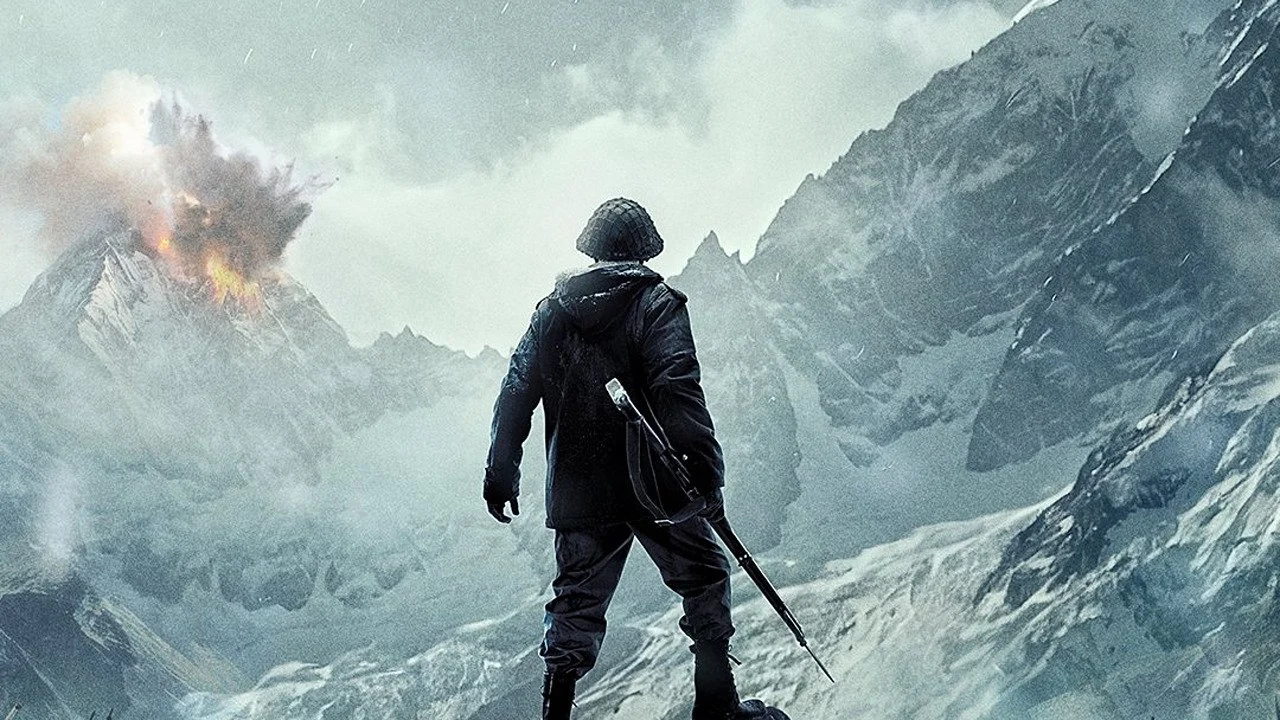
The story takes us to November 1962 in Ladakh’s freezing mountains. Major Shaitan Singh leads Charlie Company stationed at 16,000 feet. Their job is protecting the Chushul airstrip, critical for keeping Chinese forces from taking over Ladakh and moving into Kashmir.
When over 3,000 enemy soldiers march toward their position, headquarters orders them to retreat. The numbers make survival impossible. But Major Bhati tells his commanding officer that his men won’t abandon their post. They know death is certain, yet they choose to stay.
Building Up To Battle
The movie takes its time showing us these soldiers as people, not just warriors. They joke around, talk about home, and struggle with the brutal cold. The altitude makes breathing difficult. Food runs short. Temperatures hit minus 24 degrees.
I found this first half a bit slow. It follows patterns we’ve seen before in war movies. While getting to know these men matters, the pace drags. You keep waiting for the story to really take off and show us what these men are remembered for.
Farhan Brings Quiet Power
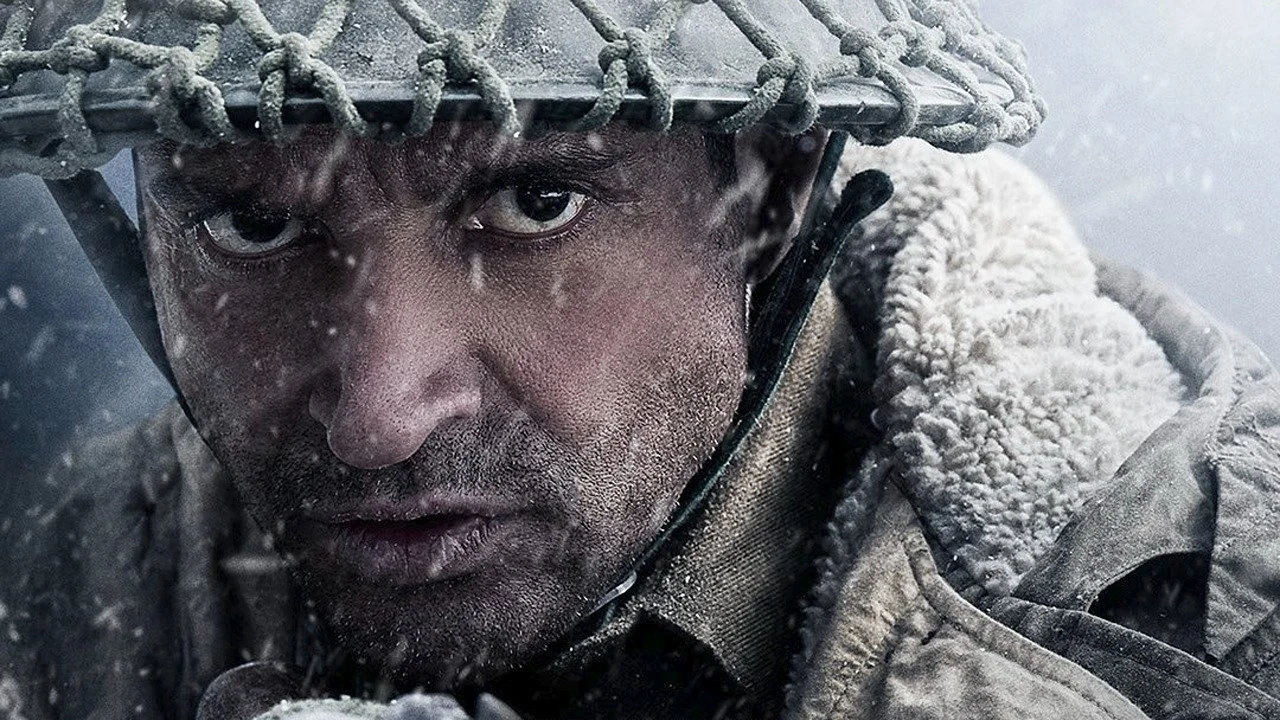
Farhan Akhtar gives his best performance yet as Major Shaitan Singh. He doesn’t shout or thump his chest. Instead, he shows us a leader carrying a heavy burden with dignity. His face tells you everything without needing dialogue.
There’s this scene where he writes to his son. The way Farhan holds back tears while putting pen to paper broke me. He plays a real person, not a movie hero. That choice makes his sacrifice feel even more painful when it comes.
New Talent Holds Strong
Sparsh Walia surprises as the young radio operator. For his first time acting, he doesn’t look nervous or out of place. His character survives to tell the story, making him our eyes into what happened. The six months of training he went through shows.
Raashii Khanna doesn’t get much time, but she uses it well. Her warmth in scenes with Farhan reminds us what these men left behind. Vivan Bhatena brings real strength to his role as Jemadar Surja Ram. The supporting soldiers, mostly newcomers, trained hard and it pays off on screen.
Where It Shines
The film’s greatest achievement is shooting where it actually happened. The team filmed at 14,000 feet in Ladakh’s real locations. Actors battled minus 10 degree cold and thin air. This wasn’t green screen magic – they lived what those soldiers lived.
Tetsuo Nagata’s camera work captures the landscape’s harsh beauty. White mountains stretch forever while wind whips across frozen ground. When battle starts in the second half, it feels raw and real. No flashy moves, just desperate men fighting for every inch of land.
What Doesn’t Work
The slow first half hurts the film. We spend too long on setup and not enough on the battle itself. I wished they’d trimmed 20 minutes from character building and given us more of what makes this story remarkable – the fight itself.
The music disappoints badly. With composers like Amit Trivedi involved, I expected songs that would stick with you. Instead, they fade into background noise. In a war film about sacrifice, powerful music could have made emotional scenes hit twice as hard.
How Critics Responded
Bollywood Hungama gave it 3/5 stars, calling it sincere but too routine in places. Zee News went higher with 4.5/5, loving how it respects all 120 soldiers equally. India TV settled on 3/5, praising visuals while noting missing emotional depth.
Most critics agree the film looks great and means well. Farhan gets universal praise for his work. But they also point out that conventional storytelling and pacing problems stop it from being the masterpiece this story deserves. It’s good, not great.
What Regular Viewers Say
People watching it tell a different story. Social media exploded with emotional reactions. Viewers mention crying through the climax. Many say they sat frozen as credits rolled, too moved to get up. That kind of impact means something.
Farhan’s work hits people hard. They call it transformative, like he became the Major himself. The film teaches them history they never learned in school. Families appreciate that it shows bravery without being inappropriate for kids. The Ladakh landscapes get mentioned constantly – they’re that stunning.
My Take
120 Bahadur deserves credit for bringing forgotten heroes back into light. The film treats their sacrifice with respect and shoots in punishing real conditions to honor authenticity. Farhan carries this movie on his back with restrained, powerful acting.
The visual storytelling stands out. Snow-covered peaks, brutal cold, and desperate combat all feel immediate. When these soldiers fall one by one, you feel each loss. That’s what good filmmaking does – makes you care about people you just met.
But I can’t ignore what holds it back. The slow start tests patience. Weak music wastes chances to deepen emotion. The film takes too long reaching its powerful ending. These choices prevent greatness while still delivering something worthwhile.
This story needed telling. India should know what happened at Rezang La. The film succeeds at education even when it stumbles at pure cinema. It’s a reminder that real courage doesn’t look like movies usually show it – it’s quieter, harder, and more painful.
Rating: 3.5/5