Bison Kaalamaadan (2025) Movie: Dhruv Vikram Finally Gets His Career-Defining Role
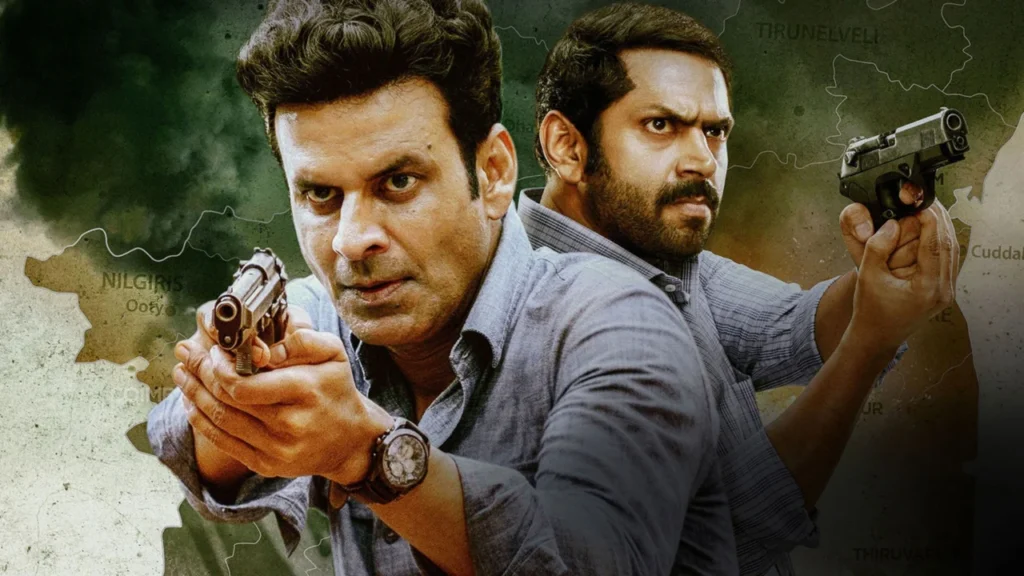
Director Mari Selvaraj teams up with Dhruv Vikram for this 2025 sports film that digs deeper than just kabaddi matches. The cast includes Pasupathy, Rajisha Vijayan, Anupama Parameswaran, Ameer, and Lal in key roles. Drawing from the real experiences of kabaddi player Manathi Ganesan, the movie hit screens during Diwali this year and runs close to three hours.
What started as a simple sports project back in 2020 turned into something bigger. The production houses Applause Entertainment and Neelam Studios backed it, with Nivas K. Prasanna creating the background score. Shot mainly in Dindigul and Rajapalayam, the film tries mixing athletic achievement with uncomfortable truths about society.
The Plot Takes Us Back
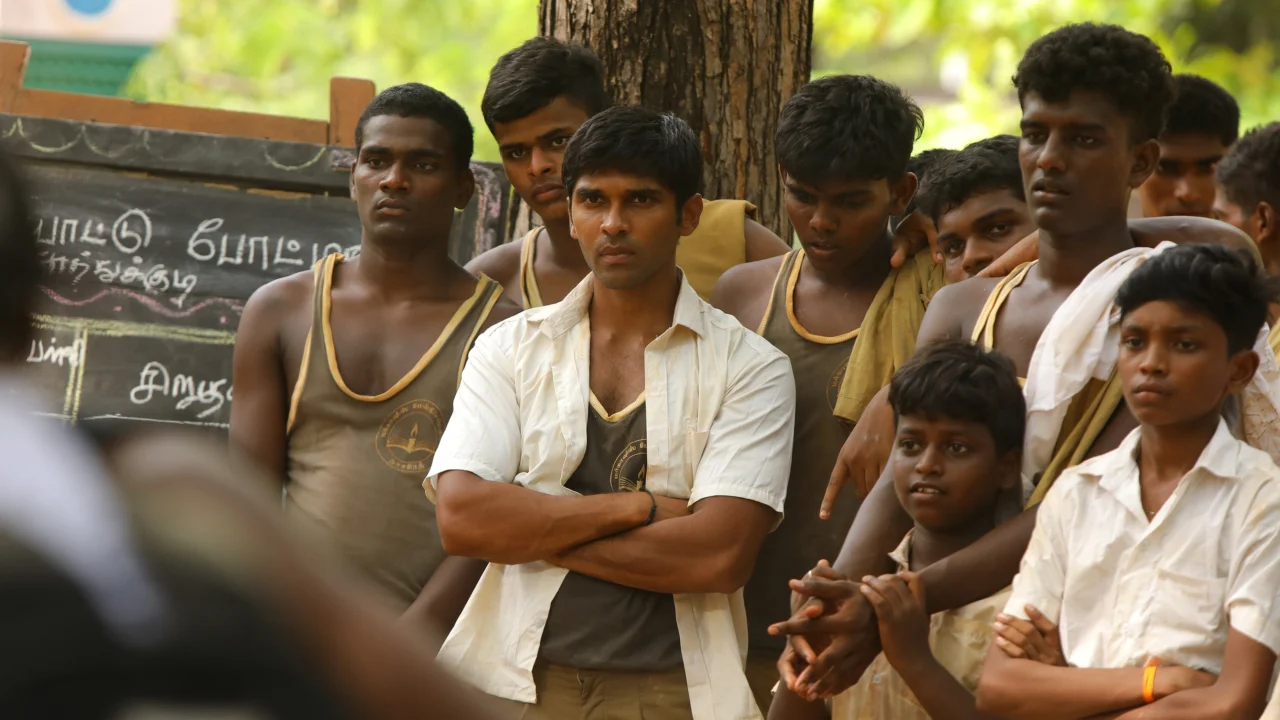
We meet Kittan Velusamy in the 1990s, living in a Tamil Nadu village where your last name decides more than your skills ever will. His love for kabaddi runs deep, but his father Velusamy sees only danger ahead. The village splits between two leaders locked in old feuds, making life harder for families like Kittan’s.
A coach spots his talent eventually, opening doors that seemed permanently shut. The film jumps between timelines, showing us both the 1994 Asian Games and the years of struggle before that moment. Every step forward comes with obstacles that have nothing to do with the game itself.
What struck me was how the script doesn’t sugarcoat reality. Kittan isn’t fighting just for medals; he’s fighting for the basic right to play. The kabaddi court becomes something larger than itself, representing battles that go beyond sports.

Performances That Stick
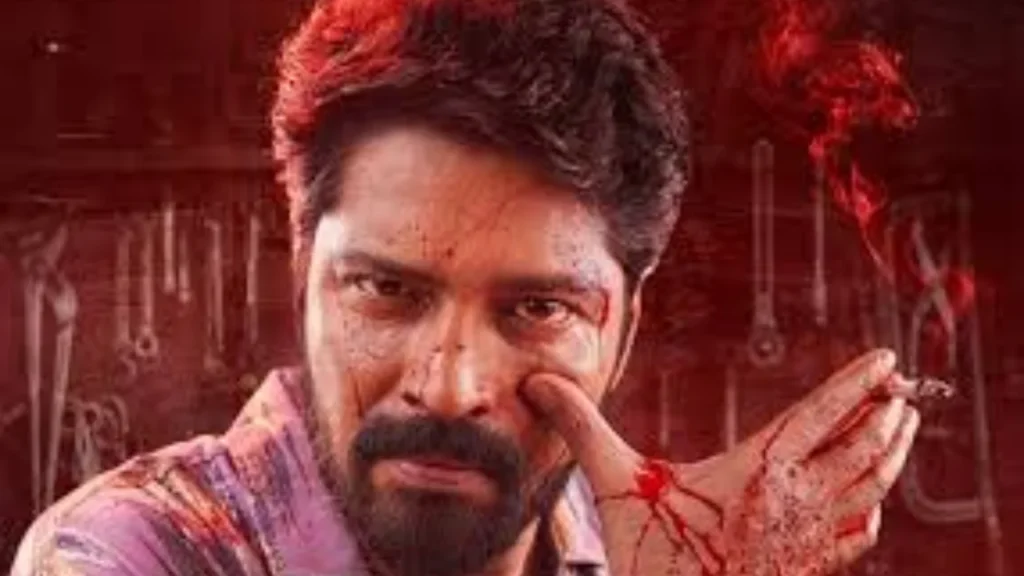
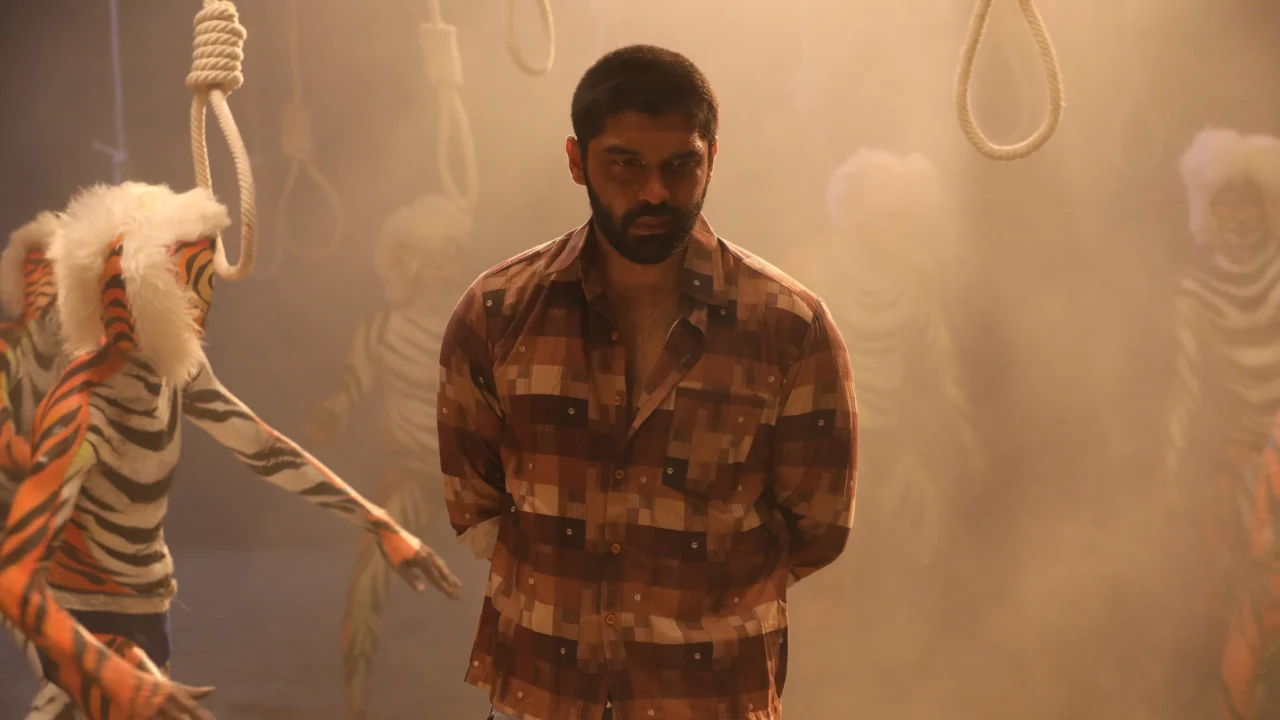
Dhruv Vikram shows real growth here. His earlier work in Mahaan didn’t convince many people, but this role changes that conversation. The physical preparation shows in every frame, but more importantly, he understands when to hold back. His silence speaks volumes, and when emotions finally break through, it feels earned rather than performed.
Pasupathy brings depth to the father role that could have easily become one-note. He plays a man caught between love and fear, wanting to protect his son but also crushing his dreams in the process. Their scenes together provide the film’s emotional backbone.
Rajisha Vijayan delivers a strong performance as the sister, though I wish she had more to work with. Anupama Parameswaran appears briefly and disappears just as quickly, playing a love interest who adds little to Kittan’s journey. The two village leaders, played by Ameer and Lal, avoid becoming simple villains and show shades of complexity.
Where It Works
Mari Selvaraj knows how to capture rural life without making it look fake. The cinematography by Ezhil Arasu presents the landscape honestly, from the red earth to the simple homes. The kabaddi sequences feel authentic, shot with energy that pulls you into the action.
The social commentary runs throughout without becoming preachy. You see how discrimination works in small, everyday ways alongside the bigger, more violent moments. The film doesn’t pretend systematic oppression can be solved by winning games, which I appreciated.
Music and background score support the narrative without overwhelming it. The folk elements blend with modern sounds, creating something that fits the time period and the story’s tone.
What Drags It Down
Length becomes a real problem around the midpoint. Scenes that make their point in five minutes stretch to ten. By the second half, I found myself checking the time, which shouldn’t happen in a film this committed to its message.
The romance subplot feels added for commercial reasons rather than story needs. Anupama’s character exists mainly to give Kittan someone to think about, but their connection lacks development. Removing this track entirely wouldn’t hurt the film.
Mari’s signature style appears again here – the oppressed fighting back against caste hierarchy. While important, it’s territory he’s covered before in Karnan and Pariyerum Perumal. The repetition makes this feel less fresh despite the sports angle.
Violence scenes sometimes go on longer than necessary. The gang war subplot starts with promise but falls into familiar patterns. We’ve watched similar revenge cycles in many Tamil films before this one.
Critical Response Was Mixed
Times of India gave it 3.5 stars, praising the performances while noting it falls short of Mari’s earlier masterpieces. NDTV also went with 3 stars, highlighting Dhruv’s commitment to the role and the film’s focused approach to blending sport with social issues.
India Today rated it 3 stars, calling it a solid entry in Mari’s body of work. Cinema Express matched that score, appreciating how it explores violence’s lasting impact on young minds.
The Indian Express was less convinced at 2.5 stars, feeling the film compromised some edge for wider appeal. Telugu website 123telugu.com gave 2.75 stars, pointing out the missing emotional punch that made Mari’s previous films so memorable.
IMDb users showed more love with an 8.4 rating. Audience reviews frequently mention Dhruv’s transformation and the brave handling of caste discrimination. Some complained about pacing issues, but most found value in the story being told.
My Take on the Film
This movie has heart and ambition. Dhruv Vikram finally gets a role that showcases what he can do, and Pasupathy reminds us why he’s considered one of Tamil cinema’s finest character actors. The technical team delivers quality work across departments.
But something keeps it from reaching greatness. Maybe it’s the three-hour runtime that tests patience. Maybe it’s the feeling that we’ve walked this thematic path with Mari before. The romance track definitely doesn’t help, feeling forced into a story that didn’t need it.
I respect what the film tries to say about how talent alone isn’t enough when society works against you. The kabaddi matches become metaphors for larger struggles, and that works more often than it doesn’t. The father-son dynamic provides genuine emotion.
For viewers who appreciate films tackling real social problems, this deserves your time despite its flaws. It’s honest about the costs of discrimination and doesn’t offer easy answers. Mari Selvaraj remains a director willing to show uncomfortable truths, even when the industry prefers comfort.
Rating: 3.5/5