De De Pyaar De 2 (2025) Movie ft. Ajay, Rakul, and R.
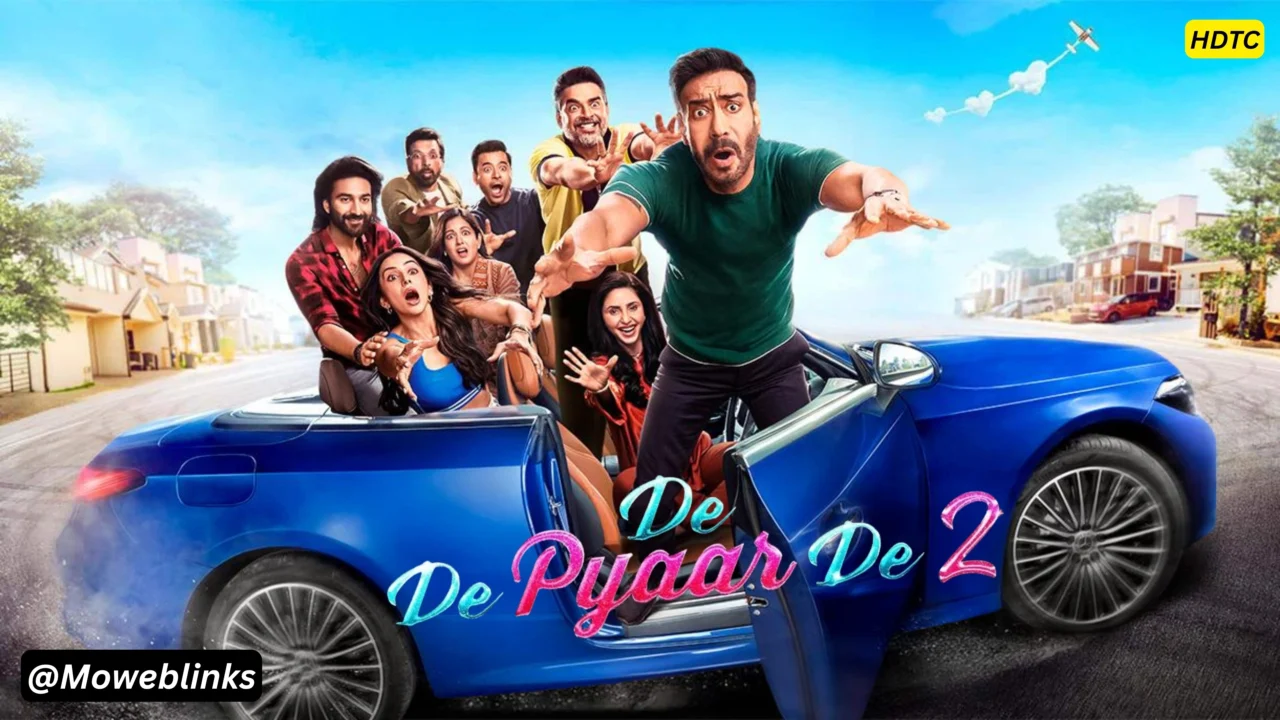
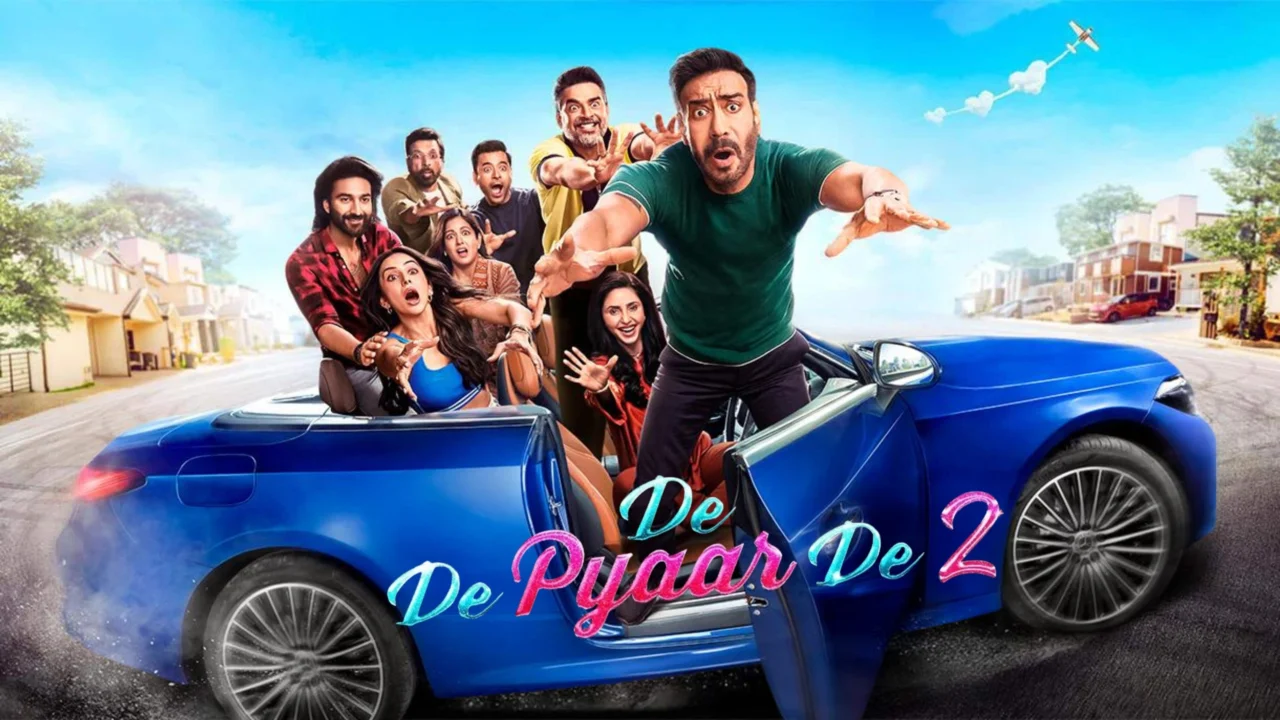
Ajay Devgn and Rakul Preet Singh return in De De Pyaar De 2, a follow-up that tries to recapture the charm of its 2019 predecessor. Released on November 14, 2025, the film comes from director Anshul Sharma, with writing by Luv Ranjan and Tarun Jain. This time, R. Madhavan joins the cast, playing Rakul’s father, creating a generational clash that forms the film’s comedic backbone.
The movie keeps its romantic comedy roots while exploring family acceptance and age-gap relationships more deeply. Ajay plays Ashish Mehra, now 52, while Rakul’s Ayesha Khurana is 28. Supporting players like Meezaan Jafri, Jaaved Jaaferi, and Gautami Kapoor round out a cast that brings energy to this tale of love meeting parental resistance.
Plot Moves From One Family Drama To Another
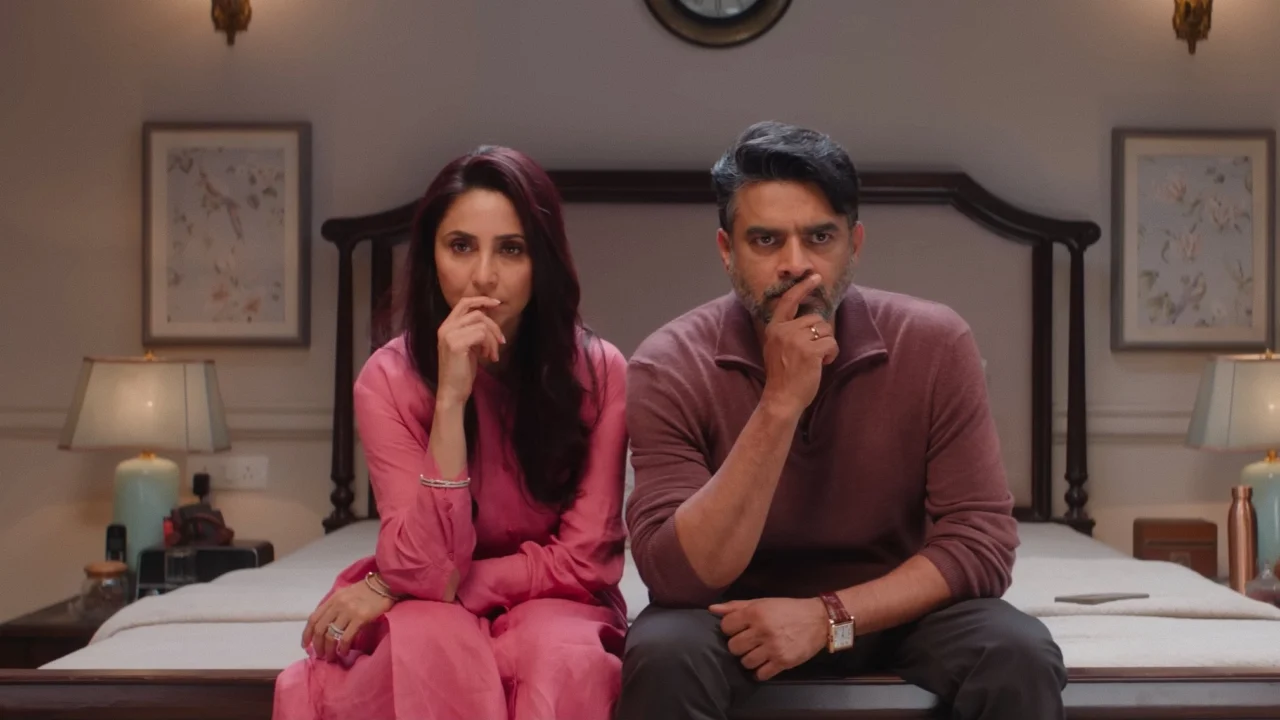
After winning over his own family in the first film, Ashish now faces a different challenge – meeting Ayesha’s parents in Chandigarh. The twist? Her father Rakesh, played by Madhavan, is roughly Ashish’s age. This awkward reality becomes the source of both comedy and tension as two grown men compete for dominance.
The situation worsens when Rakesh invites Aditya, played by Meezaan, into the picture. He’s Ayesha’s childhood friend and, according to her father, a more appropriate choice. The screenplay explores how relationships survive when society questions them, and what it takes to stand firm despite opposition.
Acting Quality Shows Range
Ajay brings his dependable screen presence to Ashish, mixing humor with moments of vulnerability. His understated approach works well when showing a man navigating uncomfortable family situations. Though his role feels smaller in certain stretches, he makes every scene count with timing honed over decades.
Madhavan delivers what might be the film’s strongest turn. His Rakesh isn’t simply an obstacle – he’s a father wrestling with wanting his daughter’s happiness while questioning her choices. The internal conflict shows in Madhavan’s expressions and body language. His confrontations with Ajay crackle with the right mix of humor and genuine friction.
Rakul takes the spotlight here, showing growth beyond her earlier work. She balances Ayesha’s determination with emotional honesty, never letting the character become just a plot device caught between two men. I noticed how Rakul gave Ayesha agency – she drives the story forward rather than waiting for others to decide her fate.
Meezaan handles his role capably, bringing youthful energy without overdoing it. Jaaved Jaaferi gets laughs whenever he appears, using his comic experience effectively. Gautami Kapoor provides grounding as Ayesha’s mother, while Suhasini Mulay makes a brief but memorable impression.
Strengths Worth Noting
The dialogue stands out immediately. Ranjan and Jain craft lines that sound like real conversations, not scripted exchanges. References to older Bollywood films connect with viewers who grew up watching them. The humor emerges naturally from situations rather than feeling manufactured for easy laughs.
Sharma keeps the pacing tight in the first half, maintaining momentum without rushing important moments. Choosing to hold back songs until later was smart – the story unfolds without musical interruptions breaking the flow. I appreciated how the interval arrives at a genuinely surprising point rather than a predictable spot.
The chemistry among the three leads makes their interactions believable. When Ajay and Madhavan clash, you understand both perspectives. When Rakul pushes back against her father’s plans, her frustration feels earned. The film addresses themes like generational differences and family expectations without becoming preachy.
Technical execution meets commercial standards well. Cinematography captures the visual contrast between London’s urban landscape and Punjab’s colorful settings. Rakul’s styling throughout shows attention to detail. Editing maintains reasonable flow across 146 minutes, though I felt some sequences could have been trimmed.
Problems That Hold It Back
The second half loses steam compared to the energetic opening. Comedy gives way to drama that sometimes stretches credibility. I found myself checking the time during the stretch before the climax, when the narrative seems uncertain about where it’s heading.
The subplot involving Ayesha and Aditya generates less entertainment than it should. Where earlier scenes between Ajay and Madhavan spark naturally, this thread feels mechanical. Some supporting roles exist mainly to connect plot points rather than registering as fully developed people.
Familiar rom-com patterns appear in the latter portions, making story beats predictable for anyone who watches the genre regularly. Audio mixing becomes jarring in heated scenes where actors seem to shout rather than convey emotion through nuanced delivery.
Musical numbers don’t make much impact, with “Babul ve” being the exception. That song works because it arrives at an emotionally appropriate moment. Others feel inserted out of obligation rather than necessity.
Critical and Public Reception
Bollywood Hungama rated it 4 stars, highlighting strong performances and the blend of comedy with drama. Filmfare gave 3 stars, noting how the film champions age-irrelevant love. Koimoi also awarded 4 stars, singling out Rakul’s work as exceptional.
Cinema Express was less kind with 2.5 stars, comparing it to a rollercoaster that wobbles when momentum drops. Scroll.in suggested tighter editing would help tonal issues. The Hindu felt the premise grows repetitive despite starting well.
Social media responses lean positive overall. Viewers praise the Ajay-Madhavan dynamic as the film’s highlight. Most rate it between 3.5-4 stars, calling it suitable family viewing despite flaws. The comedy in the first hour gets consistent mention, while opinions split on the second half’s dramatic turn.
My Take On The Film
De De Pyaar De 2 works as comfortable entertainment without reaching great heights. Madhavan’s performance stands out, while Rakul shows she’s capable of carrying emotional weight. Ajay anchors things with his usual reliability.
The first hour delivers genuine laughs before the film shifts gears and loses some energy. For viewers wanting a family-friendly option or couples seeking something light, this provides reasonable value. It continues conversations about unconventional relationships and societal pressure without lecturing.
The sequel doesn’t surpass or even match the original’s freshness, but it respects what made the first film work. It celebrates choosing love over convenience while acknowledging real obstacles such choices bring. With romantic comedies becoming scarce in Hindi cinema, this offers the kind of escapist fun the genre promises.
Rating: 3.5 out of 5