Idli Kadai (2025) Movie ft. Dhanush, Rajkiran, and Arun
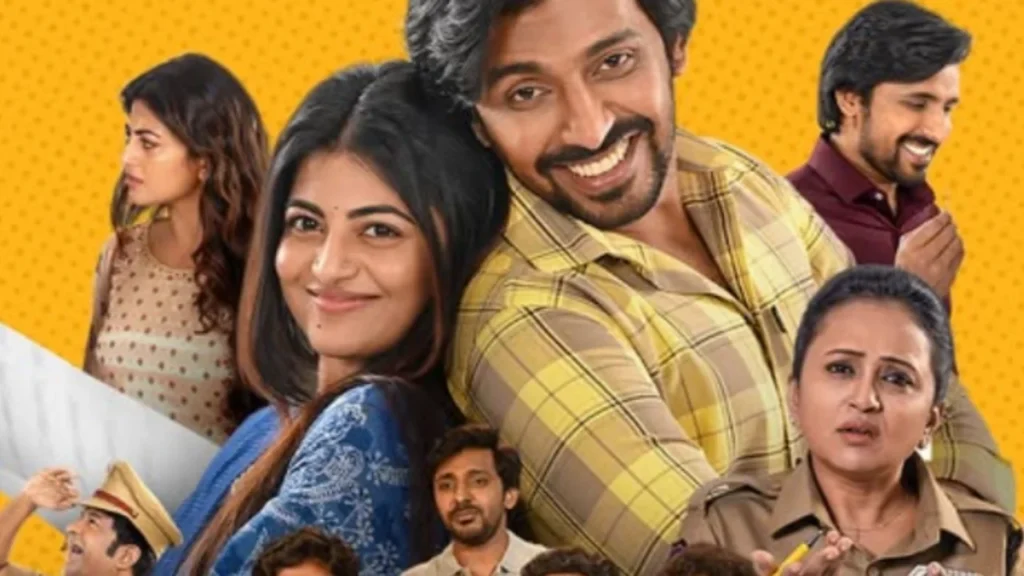
Dhanush returns as director with Idli Kadai, a film that wears its heart on its sleeve. This Tamil drama brings together Nithya Menen, Arun Vijay, Rajkiran, and Sathyaraj in a story about family, roots, and the price of ambition. With music by G.V. Prakash Kumar, the film hit theaters on October 1, 2025.
Shot across Theni district, the movie follows a man’s journey back to his village and the idli shop his father built with love. But can this nostalgic tale rise above familiar territory, or does it fall flat?
The Story at Its Core
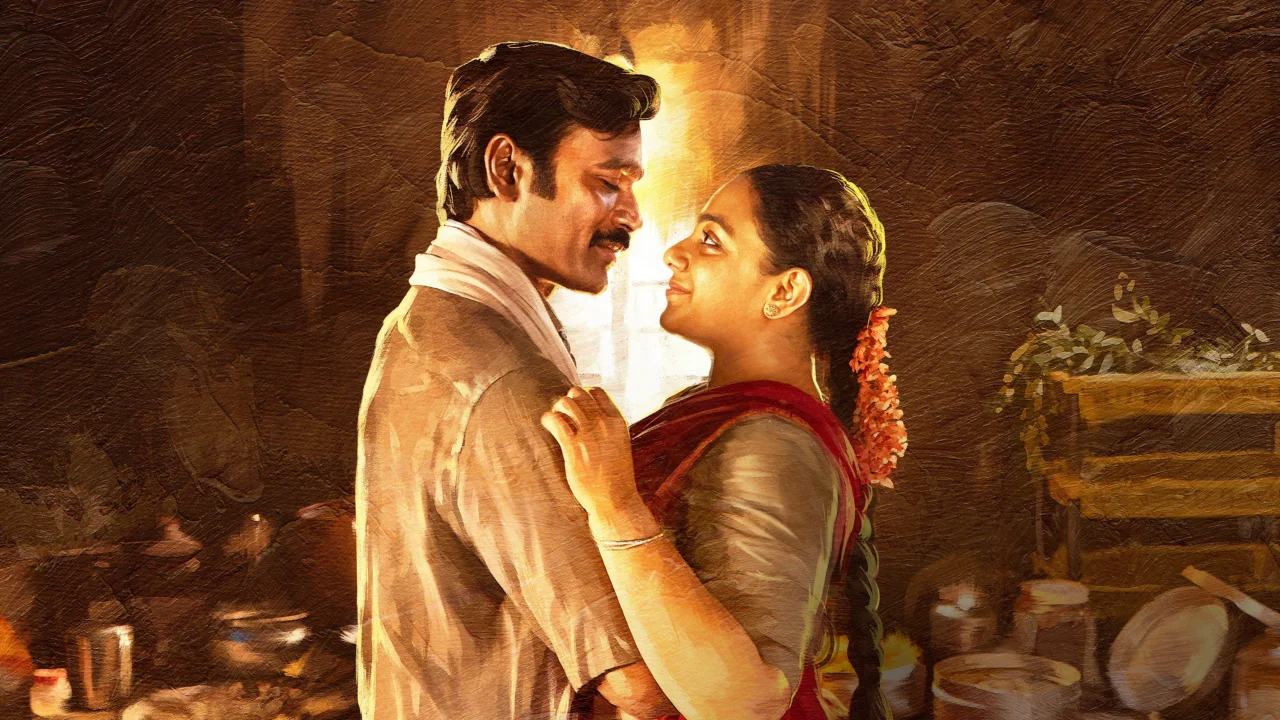
Sivanesan runs a small idli shop in Sankarapuram village. His routine is sacred—wake at 3 a.m., pray, make idlis that the whole region knows about. It’s not just business for him. It’s his identity, his purpose.
His son Murugan wants different things. After hotel management training, he lands in Bangkok working for a major food company. The owner likes him so much, he offers his daughter Meera in marriage. But life has other plans. Murugan finds himself back in his village, forced to face everything he left behind. The question becomes: can he inherit not just his father’s shop, but the magic that made those idlis special?
Acting That Feels Real
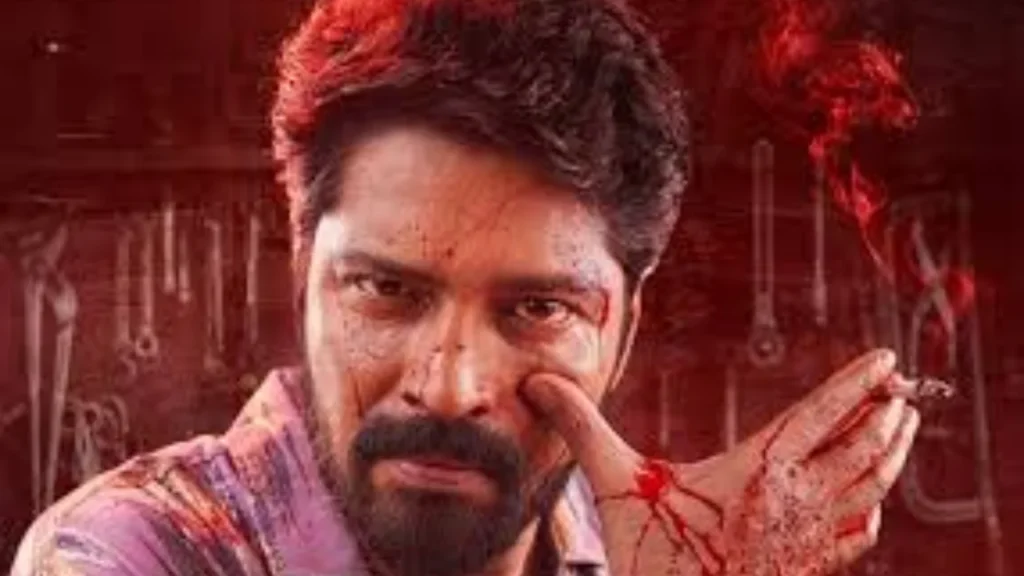
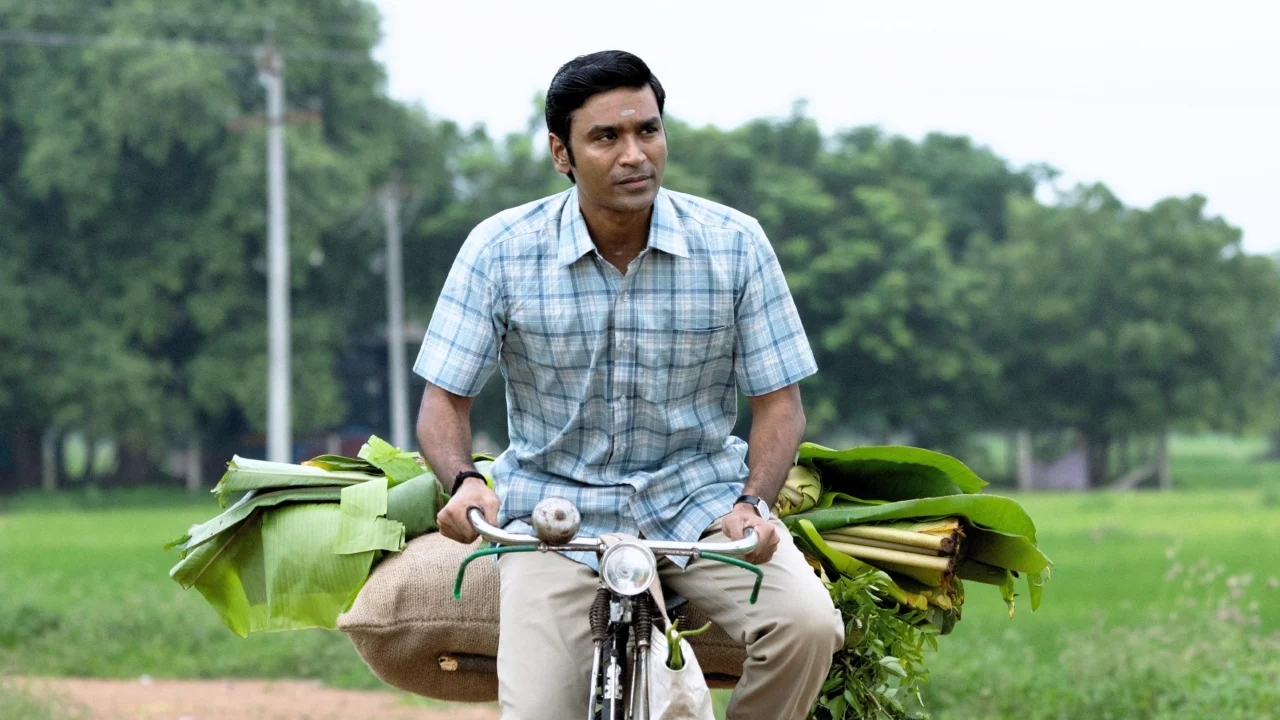
Dhanush brings sincerity to Murugan. You watch him struggle between what society tells him success looks like and what his heart knows matters. I appreciated how his eyes carried so much weight in quieter scenes. His transformation from suits to traditional veshtis doesn’t feel forced—it grows naturally through the story.
Rajkiran as the father brings quiet dignity. R. Parthiban’s village dialect adds authenticity. Shalini Pandey looks good but her character Meera needed better writing. The romance subplot never quite lands because we don’t spend enough time understanding why these two people care about each other.
When the Film Connects
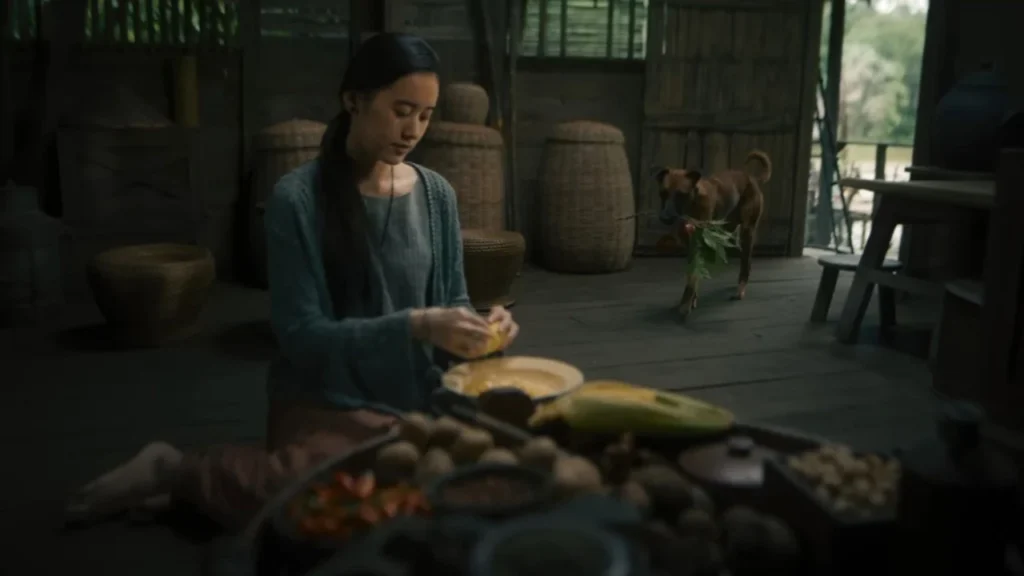
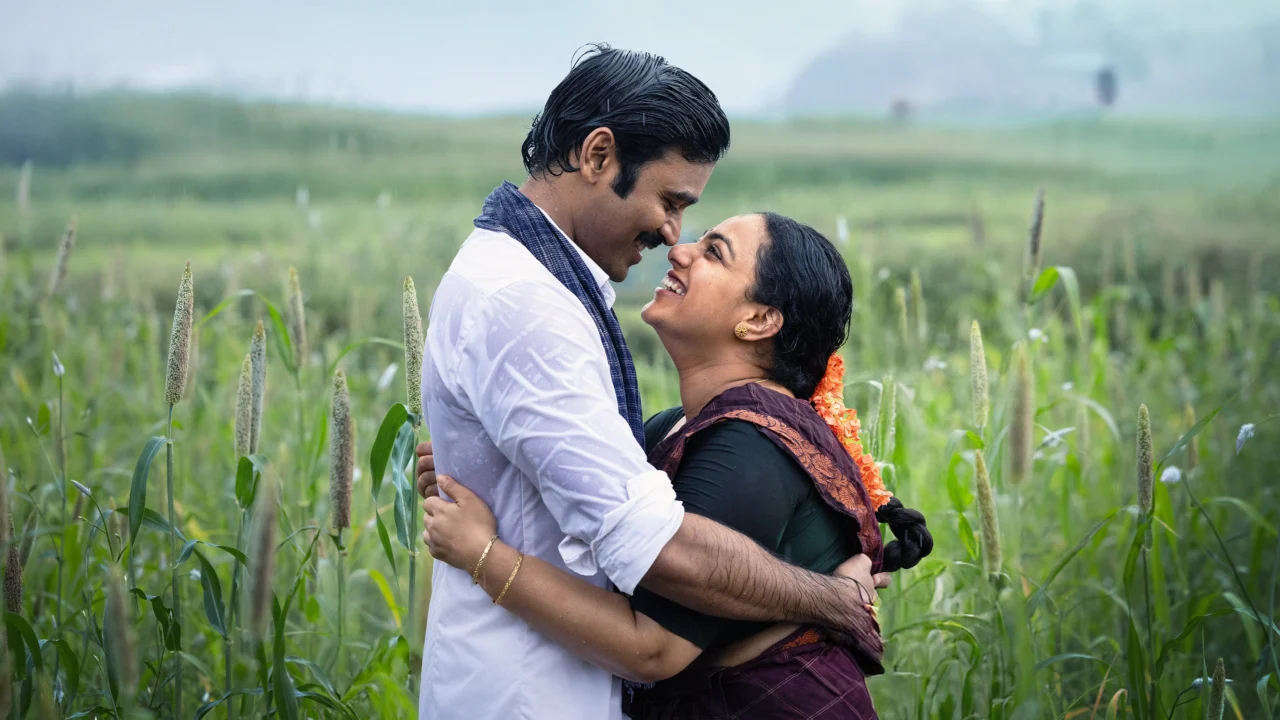
The opening half works because it taps into something real. If you’ve ever left home chasing bigger dreams, then looked back wondering what you lost along the way, this film speaks to that. The village scenes feel lived-in, not like a movie set trying to look poor.
I was moved by how grief appears in small moments. Murugan’s mother waking up early from habit, forgetting her husband won’t be there anymore—that’s the kind of detail that cuts deep. These aren’t grand dramatic scenes. They’re the quiet ways loss shows up in daily life.
G.V. Prakash’s music lifts everything. The songs sit naturally in the story, and the background score during emotional beats creates the right atmosphere without overdoing it. Kiran Koushik’s camera work captures rural Tamil Nadu with warmth. You feel the textures of that world. Prasanna GK’s editing keeps things moving in the first half, with smart cuts that contrast old and new worlds.
Where It Loses Its Way
Here’s the thing: I’ve seen this story before. The whole “city bad, village good” angle has been done to death in Tamil cinema. Dhanush himself explored similar ideas in earlier films. About halfway through, I could predict where scenes were going.
The second half shifts gears into typical hero-villain territory. The pacing slows down. Scenes that should be five minutes stretch to ten. What started as an intimate family story suddenly needs big confrontations and dramatic speeches. It pulls you out of the emotional space the film built carefully in the beginning.
What Critics Are Saying
Times of India gave it 2.5 stars, noting that Dhanush’s talents deserve more ambitious storytelling than pure nostalgia. India Today rated it 2 stars, calling it predictable with minimal innovation. The Week was more generous at 3.5 stars, appreciating the old-school emotional honesty.
The News Minute wasn’t kind, comparing the film to a bland idli that needs side dishes for any flavor. The Hollywood Reporter India pointed out how the film swings between beautiful moments and tired clichés.
How Audiences Responded
People’s reactions split down the middle. Those who grew up in villages or live far from home found deep connection with what’s on screen. IMDb shows 6.7 out of 10, with many praising the emotions and music.
Others found it slow and too melodramatic. Some viewers felt the film should have come out years ago when these stories felt fresher. The second half disappointed people who enjoyed the setup. Common complaints mention pacing issues and lack of surprise.
My Take
Idli Kadai means well. It celebrates family, tradition, and finding your way back home with real affection. The first portion delivers emotional moments that land. The performances come from an honest place, and the music stays with you.
But the film doesn’t take enough risks. It follows patterns we’ve seen repeatedly. The second half abandons what made the beginning work, falling into generic conflicts that drag. It’s fine for family viewing during festivals, but won’t stay in your mind long after.
If you want something warm and nostalgic without caring about fresh angles, you’ll probably enjoy this. If you’re looking for a film that surprises you or challenges expectations, you might walk out wishing for more.